
Getting a new customer through your door costs 5–7x more than keeping an existing one. Yet most restaurants spend almost all their marketing energy on acquisition and almost nothing on retention. That's a costly mistake.
The restaurants that thrive long-term — from St. Petersburg to Tampa to Clearwater — aren't just good at attracting new guests. They're exceptional at bringing people back. Here's the playbook.
Why Customers Don't Return (It's Not Your Food)
Most restaurant owners assume that if a customer doesn't come back, something was wrong with the food or service. Usually, that's not it. The real reasons:
- They forgot about you. Life is busy. Out of sight, out of mind.
- Nobody gave them a reason to return. No offer, no invitation, no connection.
- A competitor made more effort to reach them.
The solution isn't a better menu. It's a system that keeps you top of mind and gives guests a reason to choose you again.
Step 1: Build a Direct Line to Your Guests
You can't bring customers back if you can't reach them. That starts with capturing contact information — ideally a phone number — at every touchpoint.
How to collect guest data:
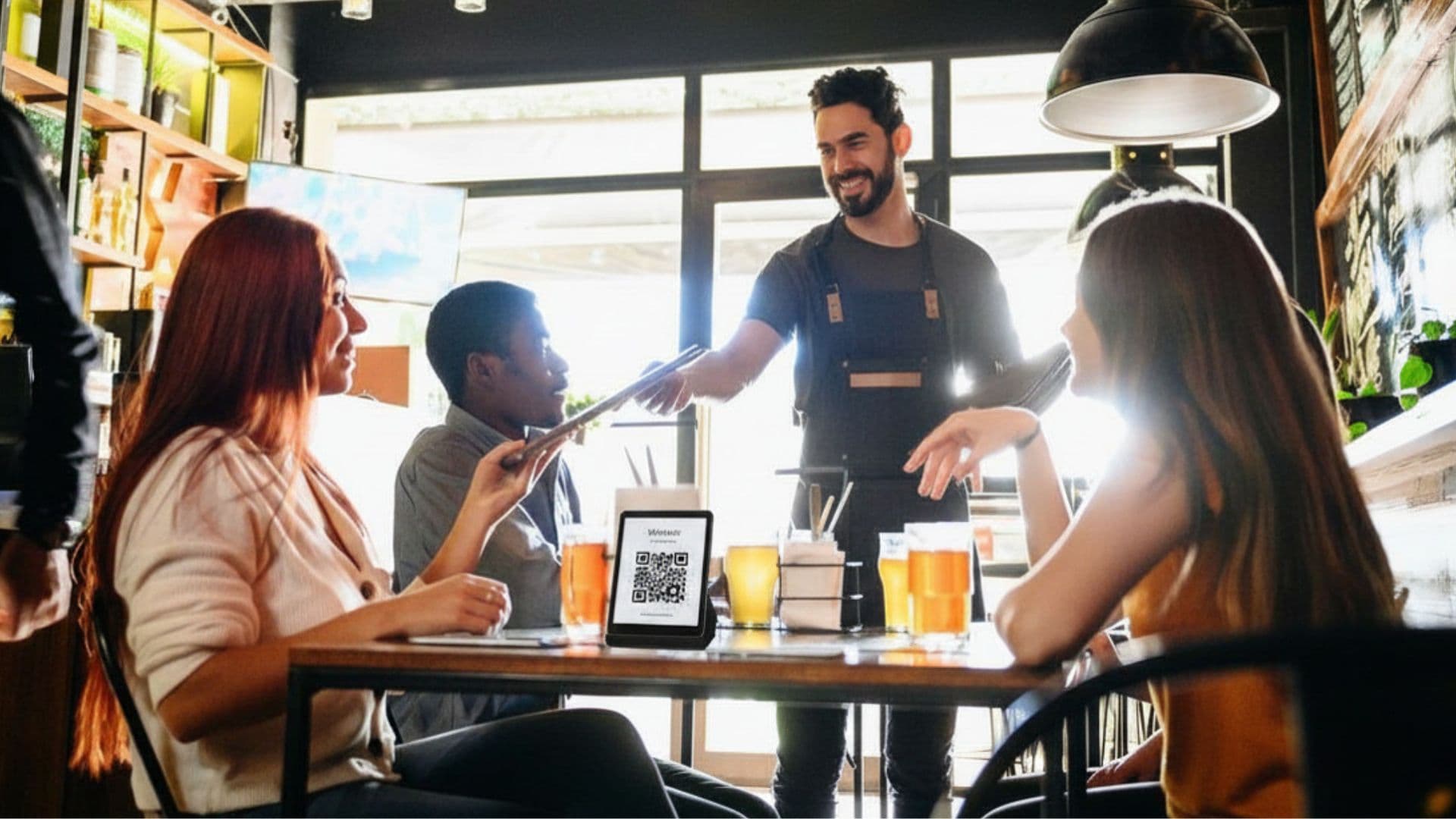
- QR code at the table that links to a loyalty signup ("Join our VIP list, get a free dessert")
- Email capture at online ordering and reservation
- Incentivized signup at the counter ("Text PIZZA to 55555 for 10% off your next visit")
Once you have a guest's phone number, you own that relationship. You're not at the mercy of Instagram's algorithm or Yelp's search ranking.
Step 2: Launch a Loyalty Program That People Actually Use
Traditional punch cards have a 65–80% abandonment rate. Apps nobody downloads are even worse. But digital loyalty programs — the kind that live in a guest's phone via a QR code — are different.
A well-designed loyalty program works because:
- Guests can see their progress toward a reward (motivating)
- They don't have to download an app or carry a card
- You can send them targeted offers based on their visit history
VIP members at Tampa Bay restaurants using LocalSpot AI visit 2x more often and return 35% more frequently than guests who aren't enrolled in a loyalty program. That's not a small difference — that's the difference between a restaurant that struggles and one that thrives.
Step 3: Use SMS Marketing to Re-Engage Lapsed Guests
Someone who visited 3 months ago and hasn't been back isn't a lost cause — they just need a nudge. SMS is the most effective tool for reactivation because open rates are close to 98% compared to 20–30% for email.
Campaigns that work:
- Win-back offer: "Hey [Name], we miss you! It's been a while. Come in this week for 20% off — just show this text."
- Birthday message: "Happy Birthday, [Name]! 🎂 Your free dessert is waiting. See you this month."
- Seasonal invite: "Our fall menu just launched and there's a dish with your name on it. Come try it."
The key is personalization. A text that uses someone's first name and references their visit history feels like a message from a friend, not a broadcast.
Step 4: Create Reasons to Return With Events and Specials
One-time visitors become regulars when they have a recurring reason to come back. Events and weekly specials create that reason.
Ideas that build habits:
- Weekly specials tied to a day ("Wine Wednesday," "Family Sunday")
- Monthly VIP-only events for loyalty members
- Birthday and anniversary programs
- Seasonal menu launches that feel exclusive
- Invite-only tastings for your most loyal guests
When a customer knows that every first Friday you have live music, that becomes part of their routine. Routines are the foundation of loyalty.
Step 5: Follow Up After Every Visit
A thank-you message sent 24 hours after a visit is one of the highest-ROI touchpoints a restaurant can have. It:
- Makes the guest feel valued
- Reinforces a positive memory of their experience
- Is the perfect moment to ask for a review
- Opens the door to a follow-up offer
This doesn't have to be manual. An automated SMS sequence can handle it: visit recorded → 24-hour thank you → 7-day check-in → 30-day win-back offer if no return visit.
Step 6: Give Your Best Customers Something Extra
Your top 20% of customers likely account for 80% of your revenue. Identify them — and treat them accordingly.
What "something extra" looks like:
- Exclusive early access to new menu items
- A personalized note or thank-you from the owner
- A free item on their birthday
- Invitations to private events before they open to the public
Guests who feel recognized become advocates. They bring friends, leave reviews, and come back because they feel like they belong.
The System That Makes This Automatic
The challenge with all of this is time. Most restaurant owners are already working 60–70 hours a week. Building loyalty campaigns, sending SMS messages, tracking visit history — who has time for that?
That's exactly why LocalSpot AI exists. Built for independent restaurants across the Tampa Bay area, the platform captures guest data automatically, sends loyalty rewards and SMS campaigns without you lifting a finger, and tracks which customers are at risk of lapsing so you can re-engage them before they're gone for good.
Restaurants using LocalSpot see guests returning more frequently, spending more per visit, and bringing new customers through word of mouth. The math is simple: more repeat visits + higher average checks = more revenue without more marketing spend.
Want to see what a loyalty system built for your restaurant looks like? Book a free demo — we'll show you exactly how it works.