
Most restaurant owners focus on getting more customers. But there's a faster, cheaper path to more revenue that most overlook: getting each customer to spend a little more.
Increasing your average check size by 15–20% has the same revenue impact as growing your customer base by 15–20% — but it costs a fraction as much to achieve. Tampa Bay restaurant owners are using these strategies right now to grow revenue without adding a single new table. Here's how to do it.
Why Average Check Size Is the Most Underrated Revenue Lever
Consider this: if 100 guests each spend $30 on a typical night, you make $3,000. If you increase the average check to $36 — just $6 more per person — you make $3,600. Same number of customers. Same kitchen. Same staff. Fifteen percent more revenue.
Over a month, that difference is tens of thousands of dollars. Over a year, it can be the difference between surviving and thriving.
Strategy 1: Add High-Quality Photos to Your Menu
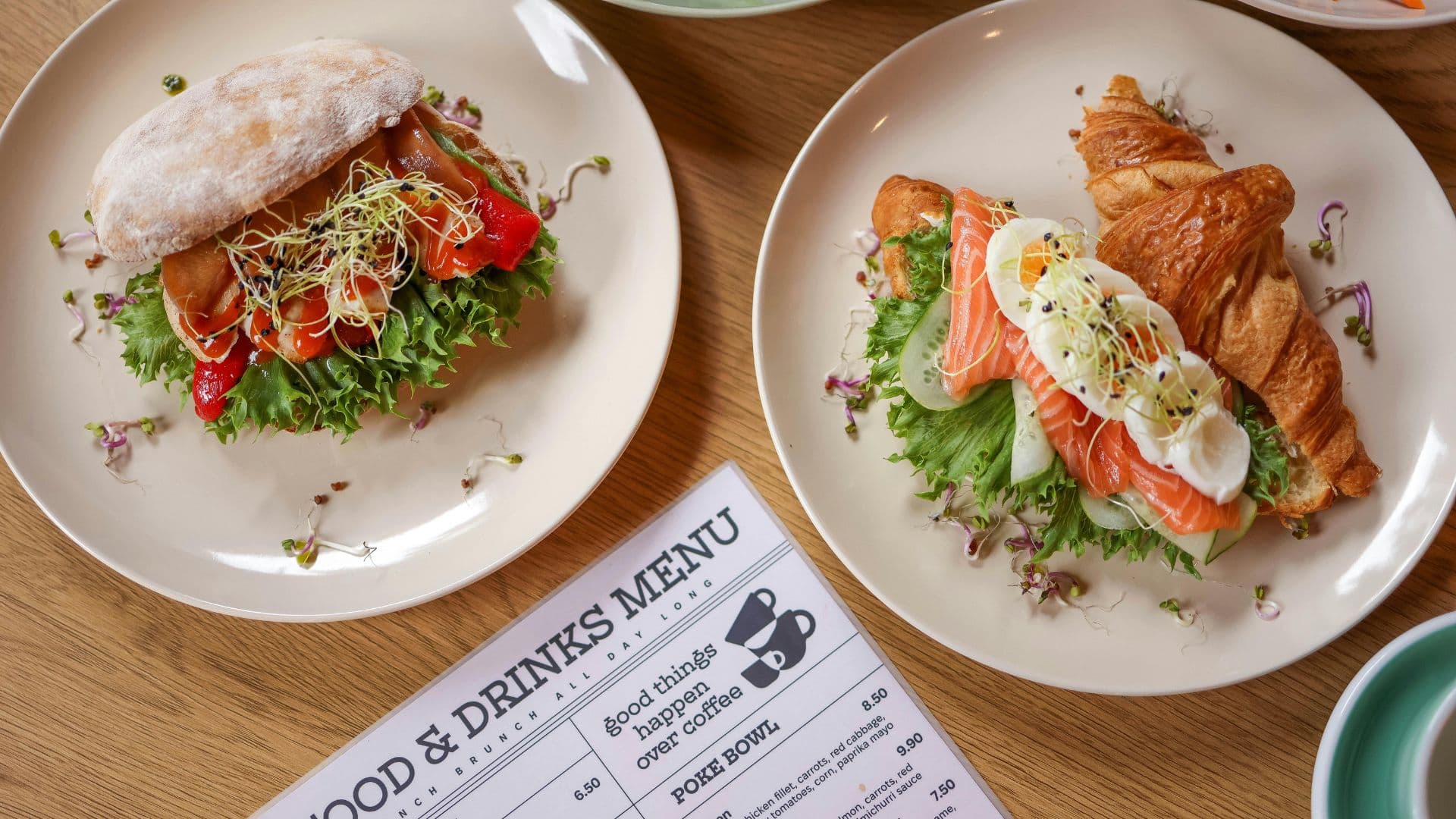
This is the single highest-impact change most restaurants can make. Study after study shows that menus with photos sell significantly more of the items pictured.
The data is clear: restaurants that add professional food photography to their digital menus see 10–25% higher average checks and up to 50% more sales on featured dishes.
Why does it work? Because people eat with their eyes first. A beautifully photographed dish creates desire. A text description of the same dish does not. When a guest sees a photo of your signature pasta and it looks incredible, they order it. When it's just words on a page, they might pass.
What to do:
- Hire a food photographer for your top 10–15 dishes
- Or use a good smartphone in natural light with a clean background
- Prioritize your highest-margin items — these are the ones that are worth showcasing
Strategy 2: Use Smart Menu Design and Item Placement
Where you put items on your menu matters enormously. Menu engineers call this "prime real estate" — the spots where eyes naturally land first.
Principles that increase average check:
- Place your highest-margin items in the top-right corner of a page
- Use boxes or visual callouts to highlight featured items
- Avoid dollar signs (they trigger price sensitivity)
- Describe dishes with sensory language: "slow-braised," "house-made," "wood-fired"
- Remove your cheapest items from prominence — they anchor expectations low
A restaurant that moved its most profitable appetizer to the top of the menu with a photo saw a 40% increase in orders for that item alone.
Strategy 3: Offer Smart Pairing Suggestions
When a menu or server suggests a wine, side, or dessert that pairs perfectly with what a guest just ordered, the guest often takes the suggestion. It feels helpful, not pushy — and it adds real value to their experience.
Pairing strategies that work:
- Digital menus that suggest "Goes great with our house Pinot Grigio" under certain dishes
- Staff trained to say "Our house-made focaccia pairs perfectly with that" when taking orders
- Dessert suggestions made at the right moment — when plates are being cleared, not when guests ask for the check
- Bundle deals or "complete the meal" options that package an entrée with a suggested side or drink
LocalSpot AI menus include smart pairing suggestions built directly into the digital menu experience — a favorite feature among St. Petersburg and Tampa restaurants — so even if your staff forgets to upsell, the menu does it for them.
Strategy 4: Train Your Team to Upsell Naturally
Upselling gets a bad reputation when it feels transactional. But when done right, it genuinely improves the guest's experience.
The key: upsell from a place of enthusiasm, not commission.
Instead of: "Would you like to add a salad?" Try: "Our burrata salad is incredible right now — we just got fresh tomatoes in. A lot of people get it to start."
Instead of: "Can I get you a drink?" Try: "We just got a new seasonal cocktail on the menu — it's been really popular. Can I tell you about it?"
Training staff with specific language and giving them genuine enthusiasm for menu items turns upselling into hospitality. Guests don't feel sold to — they feel taken care of.
Strategy 5: Feature Premium Options and Upgrades
Every dish can have a premium version. The question is whether you've made it easy for guests to choose it.
Examples:
- "Add truffle oil for $4"
- "Make it a combo with a house salad or soup for $6"
- "Upgrade to a 10 oz filet for $12"
- "Add guacamole for $2.50"
- "Choose your protein: chicken ($18), shrimp ($22), or salmon ($26)"
These small upgrades feel reasonable to most guests — especially if the base price is modest. And they add up quickly across a full dining room.
Strategy 6: Create a Compelling Dessert Strategy
Dessert is where most restaurants leave money on the table. Guests are full, they're about to leave, and a perfunctory "Any dessert tonight?" gets a reflexive "No thanks."
A dessert strategy that actually works:
- Show desserts on a visual menu or dessert card placed on the table during the meal
- Have staff describe one dessert enthusiastically when clearing plates ("Our chocolate lava cake takes 8 minutes — perfect if you want to finish your wine")
- Offer shareable desserts ("Our churro platter is great to split")
- Consider mini desserts at a lower price point for guests who "just want a bite of something sweet"
Dessert averages $8–14 per guest. Even if one in three guests adds dessert, the impact on your nightly revenue is significant.
The Technology That Makes All of This Easier
All six of these strategies become more powerful when your menu is digital, visual, and smart. A digital menu that includes:
- Professional photos of every dish
- Smart upsell and pairing prompts
- Easy upgrade options
- Real-time updates when items sell out or specials change
…does the work of an extra server. Guests see what they want, get suggestions based on what they're ordering, and spend more — without feeling pressured.
Restaurants across Tampa Bay using LocalSpot AI's digital menu experience consistently see higher average checks because the system is designed to guide guests toward the best (and most profitable) choices naturally.
Want to see what a menu that sells could look like for your restaurant? Book a free demo and we'll show you how it works.